Quick answer: which zinc form should you choose?
It is not possible to choose one form of zinc that is best for everyone based on the sources in this guide. Absorption depends on, among other things, the amount and food. The results of one study cannot be presented as a valid absorption rate for everyone or as a definite 20% advantage of picolinate. Compare the amount, composition and price of elemental zinc; if a deficiency is suspected, discuss evaluation and treatment with a healthcare professional.
- Daily Choice: Compare the amount of elemental zinc and the amount of zinc you get from your diet. One particular form of salt is not automatically the best for everyone.
- Suspected deficiency: Independent selection of form or high dose is not a substitute for an assessment of the cause. A healthcare professional can help you choose the appropriate treatment.
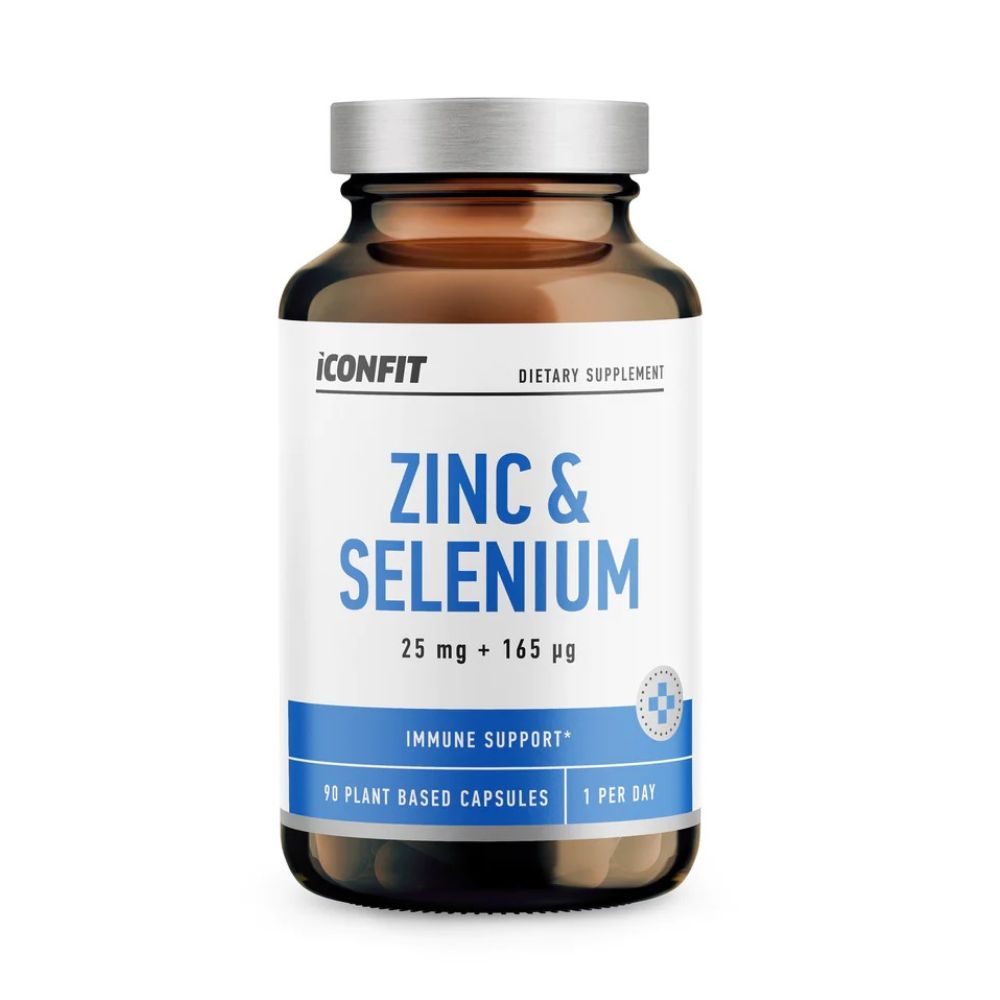
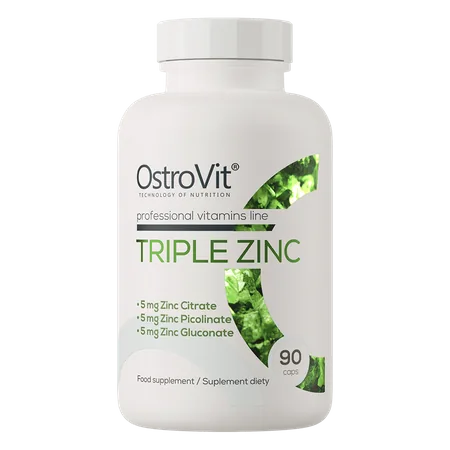
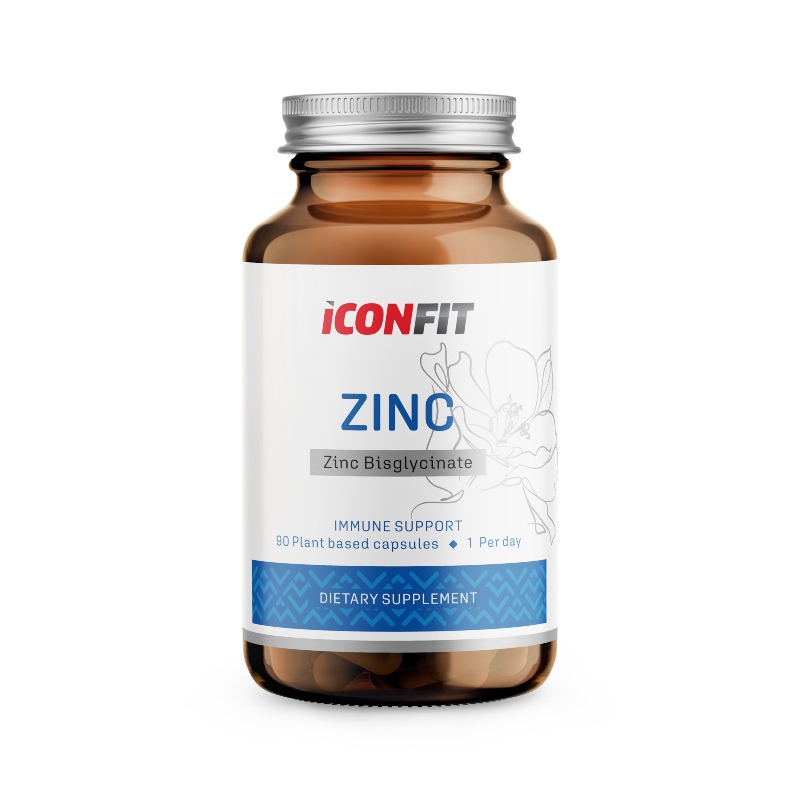
- Best value for money: ICONFIT Zinc or OstroVit Triple Zinc 90 capsules — see the category.
This is general information, not medical advice — talk to a doctor before taking higher doses or if you have a health condition.
In stock now: Zinc

Zinc is involved in the function of hundreds of enzymes. Ensuring adequate amounts does not mean that a higher supplement dose will provide greater benefits.
Last updated: September 2026
Why is zinc essential for the body?
Zinc is an essential mineral. It is found in the body, among other things, in muscles and bones, but it is necessary to obtain sufficient amounts from food. The need for a dietary supplement does not stem solely from the importance of zinc.
- Immune system: Zinc contributes to the normal function of the immune system. This does not mean that the supplement will prevent infections.
- Skin, hair and nails: Zinc is necessary to maintain their normal condition. Changes in themselves do not indicate zinc deficiency.
- Testosterone: Zinc helps maintain normal testosterone levels in the blood. This is not a promise to increase levels with a supplement.
- Tissue function: Zinc is involved in cell division and wound healing. The cause of persistent poor healing needs to be evaluated.
- Sense of taste: Zinc deficiency can affect the sense of taste. There may also be other causes for changes in the sense of taste or smell.
- Proteins and DNA: Zinc participates in normal protein and DNA synthesis.
- Reproductive health: Zinc contributes to normal fertility and reproductive function. The supplement is not a substitute for evaluation or treatment of a fertility problem.
Zinc is involved in the function of hundreds of enzymes. Ensuring adequate amounts does not mean that a higher supplement dose will provide greater benefits.
Signs of zinc deficiency
The risk of zinc deficiency depends on dietary choices, absorption, and health status. The risk may increase, for example, in the presence of certain gastrointestinal diseases. The changes listed below are not alone diagnostic of deficiency:
- Common diseases There can be many reasons for this change. If the symptom is persistent or bothersome, have the cause evaluated by a healthcare professional rather than choosing a high dose of zinc on your own.
- Hair loss There can be many reasons for this change. If the symptom is persistent or bothersome, have the cause evaluated by a healthcare professional rather than choosing a high dose of zinc on your own.
- Skin problems There can be many reasons for this change. If the symptom is persistent or bothersome, have the cause evaluated by a healthcare professional rather than choosing a high dose of zinc on your own.
- Nail changes There can be many reasons for this change. If the symptom is persistent or bothersome, have the cause evaluated by a healthcare professional rather than choosing a high dose of zinc on your own.
- Loss of taste and smell There can be many reasons for this change. If the symptom is persistent or bothersome, have the cause evaluated by a healthcare professional rather than choosing a high dose of zinc on your own.
- Mood swings There can be many reasons for this change. If the symptom is persistent or bothersome, have the cause evaluated by a healthcare professional rather than choosing a high dose of zinc on your own.
- Slow wound healing There can be many reasons for this change. If the symptom is persistent or bothersome, have the cause evaluated by a healthcare professional rather than choosing a high dose of zinc on your own.
Serum or plasma zinc results are affected by factors such as age, time of sample collection, and inflammation. A single lab result or list of symptoms does not always confirm a deficiency. A doctor will evaluate the result in conjunction with diet, medical history, and other findings.
Zinc forms — which supplement to choose?
Zinc is available in several different chemical forms in supplements. The form directly affects how well zinc is absorbed and what its effects are. Here is an overview of the most common ones:
Zinc citrate
Zinc citrate is one of the zinc compounds used in supplements. In a study of young adults described by NIH, citrate and gluconate had similar absorption. This does not establish a universal percentage absorbed or prove citrate is better than every other form.
Zinc picolinate
Zinc picolinate is one of the zinc compounds used in supplements. The verified sources in this guide do not support the claim that it is always absorbed 20% better than citrate or glycinate or that it corrects deficiencies more quickly.
Zinc glycinate
Zinc glycinate contains zinc bound to glycine. Tolerance varies by person, dose, and product; no form guarantees the absence of nausea or gastrointestinal upset.
Zinc monomethionine (OptiZinc®)
Zinc monomethionine contains zinc bound to methionine. The name of the compound or product ZMA does not in itself prove any effect on testosterone, sleep, or liver function.
Zinc oxide
Zinc oxide is one of the zinc compounds. In some studies, its absorption has been lower than other forms studied, but no specific percentage or ineffectiveness can be inferred from this.
Form comparison table
| Form | Bioavailability | Considerations when choosing | Gastrointestinal tolerance |
|---|---|---|---|
| Zinc citrate | There is no single percentage absorbed that applies to everyone. | The choice depends on the need and composition | Tolerance is individual. |
| Zinc picolinate | There is no single percentage absorbed that applies to everyone. | The choice depends on the need and composition | Tolerance is individual. |
| Zinc glycinate | There is no single percentage absorbed that applies to everyone. | The choice depends on the need and composition | Tolerance is individual. |
| Zinc monomethionine | There is no single percentage absorbed that applies to everyone. | The choice depends on the need and composition | Tolerance is individual. |
| Zinc oxide | There is no single percentage absorbed that applies to everyone. | The choice depends on the need and composition | Tolerance is individual. |
Dosage — how much zinc do you need?
Reference intake values (not supplement doses)
- Adult men: EFSA gives a population reference intake of 9.4–16.3 mg per day, depending on dietary phytate intake. This is total zinc intake, not a supplement dose.
- Adult women: EFSA gives a population reference intake of 7.5–12.7 mg per day, depending on dietary phytate intake. This is total zinc intake, not a supplement dose.
- Pregnancy: Needs vary depending on stage of life and diet. Discuss the need for a suitable supplement with your doctor or midwife.
- Breastfeeding: Total intake needs are different from normal adult needs. Do not choose a supplement based solely on this list.
For athletes
Exercise is not a reason to take large doses of zinc in itself. When assessing your needs, consider your diet, other supplements, and your health status. If you suspect a deficiency, discuss the need for testing and treatment with a healthcare professional.
Overdose — what to avoid
The European upper intake limit for adults is 25 mg of zinc per day from food and supplements combined. This is not a recommended supplement dose. The US upper limit of 40 mg is not the EFSA value. Excess zinc can cause gastrointestinal symptoms and interfere with copper metabolism. Limits for children are lower.
- Nausea and vomiting (especially on an empty stomach)
- Abdominal pain and diarrhea
- Metallic taste in the mouth
- Long-term overdose: copper deficiency, anemia, weakened immune system (paradoxically!)
High doses of zinc are not automatically made safe by supplementing with copper. Do not supplement with copper to compensate for high doses of zinc based on this guideline. Long-term or therapeutic use should be discussed with a healthcare professional.
Zinc and the immune system
Zinc is involved in the normal function of the immune system. The description of this biological role is not proof that any zinc supplement will prevent or treat infectious disease.
- Immune system: Zinc contributes to the normal function of the immune system. This does not mean that the supplement will prevent infections.
- Inflammation: Inflammation or frequent illnesses cannot be diagnosed as zinc deficiency based on this guide or treated with high doses of zinc.
- Cell protection: Zinc is involved in protecting cells from oxidative stress. This does not mean that it cures a specific disease.
- Cold studies: Some studies suggest a shorter duration of symptoms, but the specific benefit, appropriate formulation, and dosage have not been proven for every person.
A varied diet can help meet zinc needs year-round. Recurrent infections or other health problems should be evaluated by a doctor, as appropriate; supplements are not a substitute.
Zinc and testosterone — for men
Zinc is involved in maintaining normal testosterone levels. Addressing a deficiency and increasing hormone levels in a person with a normal diet are different issues.
- Results from a small trial or from people with zinc deficiency do not guarantee a fixed percentage change for every supplement user.
- You cannot expect to double your testosterone levels based on this guide. Suspected hormonal imbalances should be evaluated by a healthcare professional.
- The laboratory explanation or putative enzyme mechanism does not prove that a specific zinc product increases testosterone levels in a person.
If zinc intake is adequate, a higher dose is not justified solely by the desire to increase testosterone. If a deficiency or hormonal disorder is suspected, the cause should be evaluated.
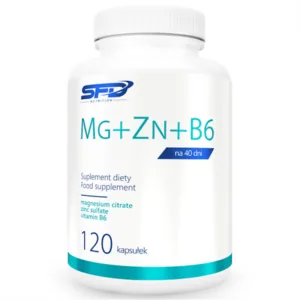
The name ZMA usually refers to a combination of zinc, magnesium, and vitamin B6. The ingredient list does not automatically confirm effects on sleep, testosterone, or post-workout recovery.
Best Zinc Products
In omegafit.ee selection you will find various zinc supplements for every need — from simple zinc citrate to picolinate and combined preparations. Here are our recommendations:
The most affordable zinc products
Premium and specialty products
Frequently asked questions
When is the best time to consume zinc?
Follow the instructions for use of the specific product. Zinc can cause nausea and affect the absorption of some medications. The appropriate time to take it and the necessary interval between medications depend on the specific medication; ask your pharmacist or doctor.
Can you overdose on zinc?
Yes. Count zinc from food and all supplements. The European adult upper limit of 25 mg per day is not a target or a recommended supplement dose. Excess zinc can interfere with copper metabolism. Do not add copper on your own to offset high zinc doses.
Which form of zinc should I choose as a beginner?
Compare the amount of elemental zinc on the package, ingredients, and price. Treatment of deficiency or long-term high-dose use should not be chosen based solely on the salt form. Discuss tolerance or health concerns with a pharmacist or doctor.
Does zinc help with acne?
Do not replace acne treatment with a zinc supplement based on this guide. Research does not mean that every zinc product or dose helps every person. For persistent acne, ask a healthcare professional about suitable treatment.
Does zinc help with colds?
Some studies of oral zinc have found a shorter duration of colds, but the results and formulations used vary, and side effects are possible. This is not a reason to take large doses every few hours or use zinc as a fixed preventative regimen. Discuss suitability and drug interactions with a pharmacist or doctor.
Where to buy zinc supplements?
The Omegafit store has a wide selection — see the full range in Zinc. Popular in-stock options: ICONFIT Zinc and OstroVit Triple Zinc 90 capsules. We deliver to Estonia (1–2 business days), Latvia (2–3), Lithuania (2–4) and Finland (3–5); shipping is free over €49. You can also pick your order up in person at OG Gym, Roheline tn 74, Pärnu, Estonia.
Questions? Call +372 5562 2534 or write info@omegafit.ee.
Summary — which zinc to choose?
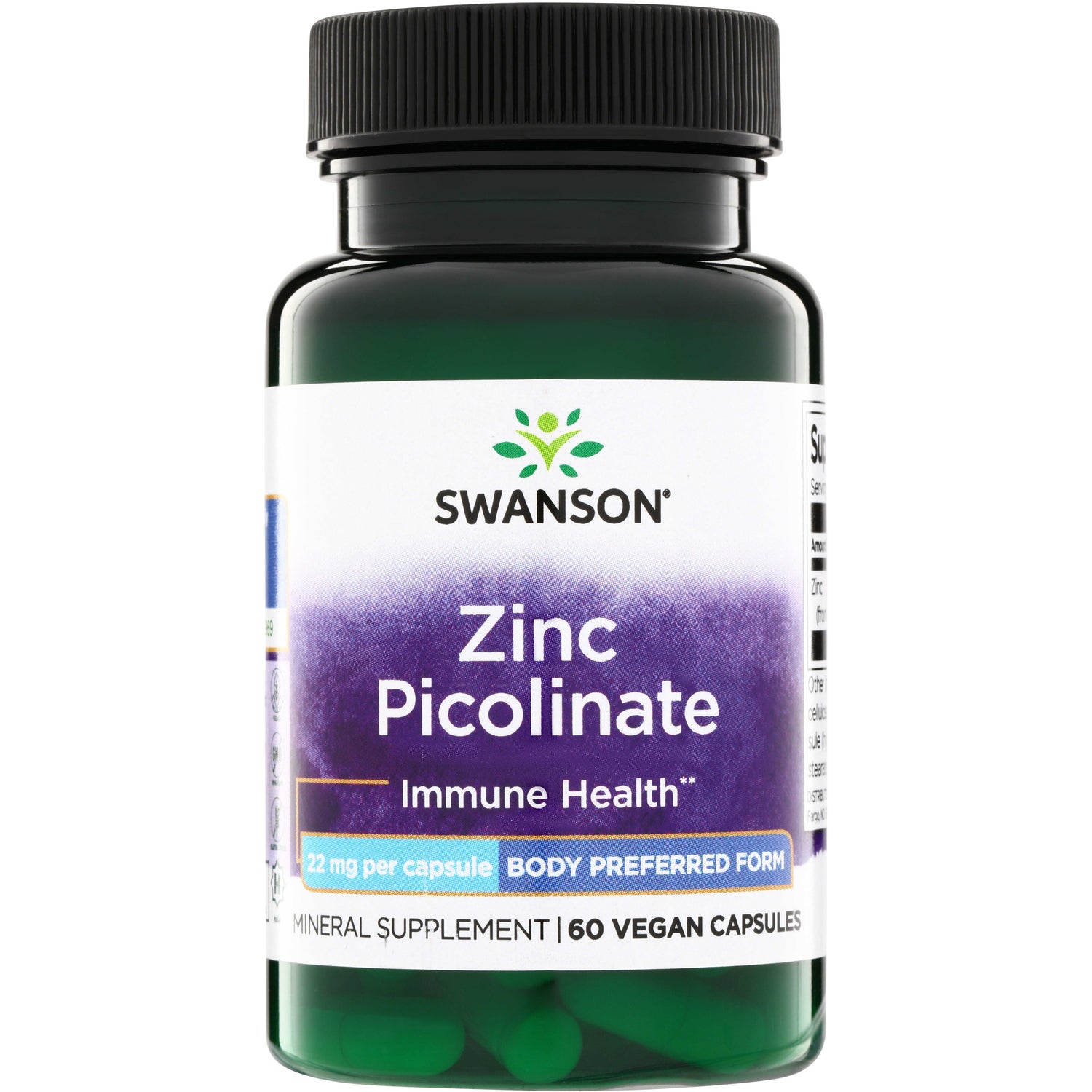
- Product example: Swanson Zinc Picolinate 60 capsules — Check the product page for up-to-date ingredients, quantities, prices and availability. The list is not a ranking or individual dosage recommendation.
- Product example: OstroVit Triple Zinc 90 capsules — Check the product page for up-to-date ingredients, quantities, prices and availability. The list is not a ranking or individual dosage recommendation.
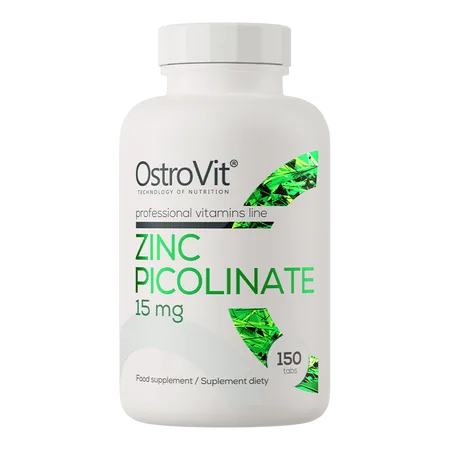
- Product example: OstroVit Zinc Picolinate 150 tablets — Check the product page for up-to-date ingredients, quantities, prices and availability. The list is not a ranking or individual dosage recommendation.
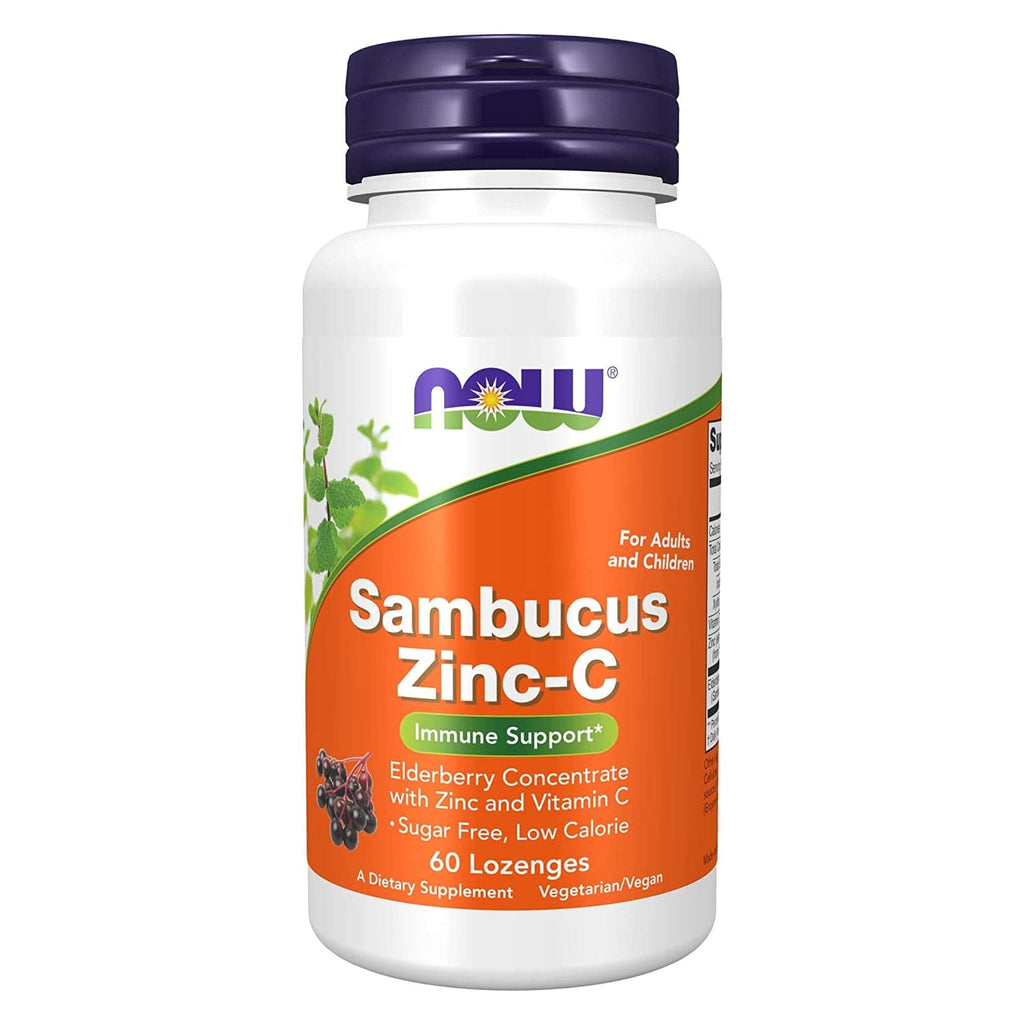
- Product example: Sambucus Zinc-C lozenges — Check the product page for age restrictions and ingredients.
Read other guides as well
Verified sources and benchmarks: NIH ODS, EFSA, EFSA / SCF.