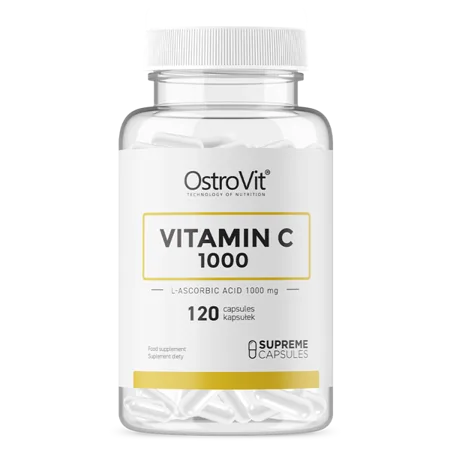
Quick answer: Which vitamin C form should you choose?
For most people, regular ascorbic acid is the best choice — it’s affordable and well absorbed, with 70–90% bioavailability at typical doses. If it upsets your stomach or causes heartburn, switch to buffered sodium ascorbate, which has a neutral pH. If you’re after maximum absorption, liposomal vitamin C is pricier, but manufacturers claim up to 1.5-2x higher bioavailability than regular ascorbic acid.
- Everyday use: Choose ascorbic acid — affordable, well researched, and easily absorbed.
- Sensitive stomach: Choose sodium ascorbate — its neutral pH won’t cause heartburn or stomach upset.
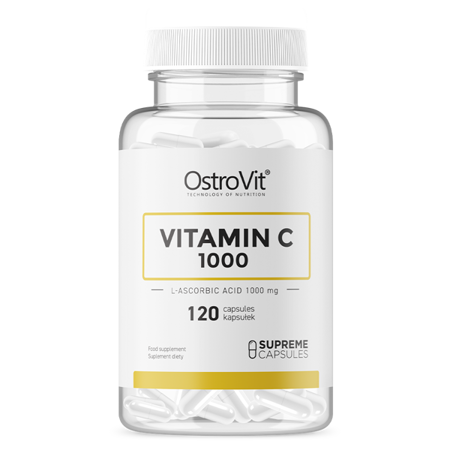
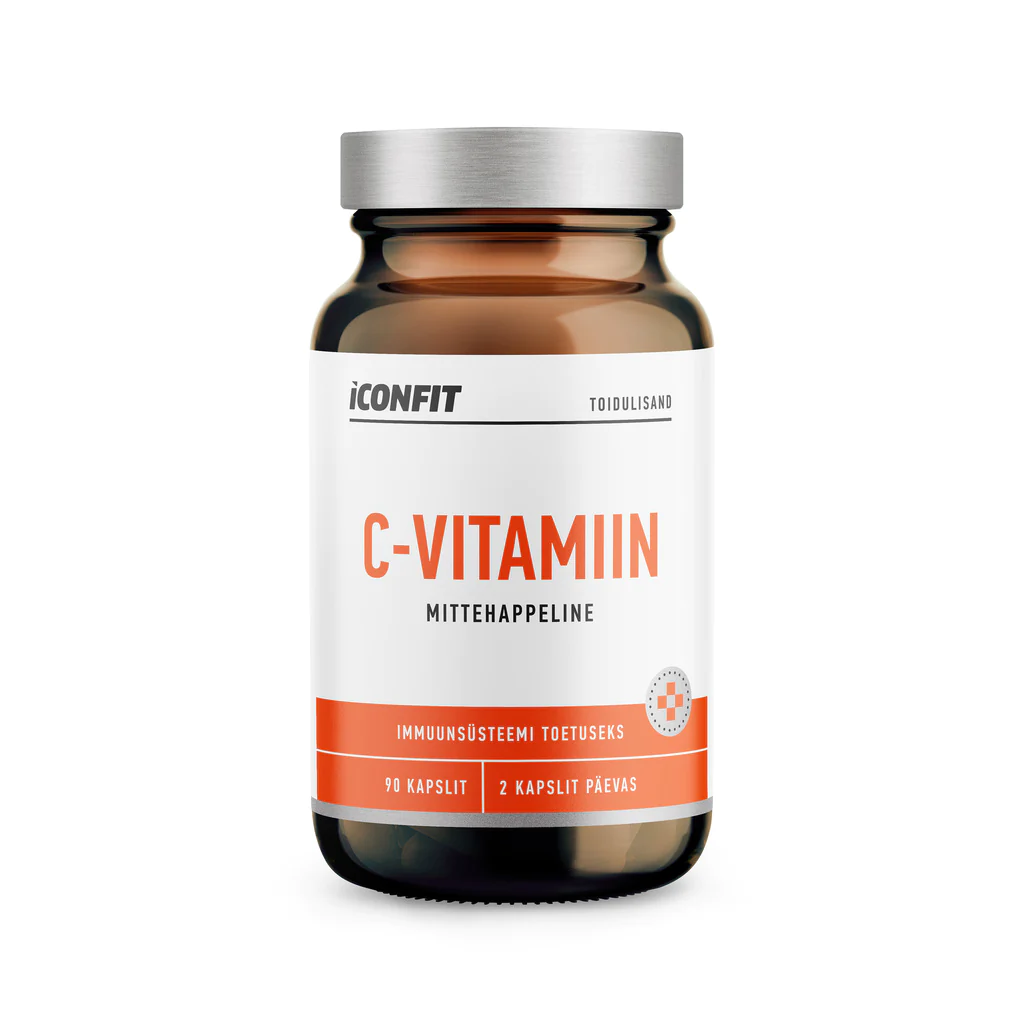
- Best value for money: ICONFIT Vitamin C – non-acidic – 90 capsules or OstroVit Vitamin C — see the category.
This is general information, not medical advice — consult a doctor for chronic conditions or before taking high doses.
In stock now: Vitamin C
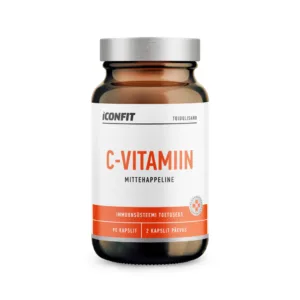
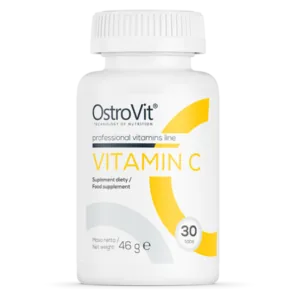
OstroVit Vitamin C
Vitamin C 3,90 € Select options This product has multiple variants. The options may be chosen on the product page
Vitamin C (ascorbic acid) is one of the best-known and most studied vitamins in the world. It’s a water-soluble vitamin that the human body can’t produce or store on its own — so we need to get it from food or supplements every day. Vitamin C is essential for immune function, collagen synthesis, iron absorption, and antioxidant protection. In this guide, we’ll explain how much vitamin C you actually need, what the different forms are, and how to choose the best supplement.
Last updated: September 2026
What is vitamin C and why is it important?
Vitamin C is a water-soluble vitamin, which means that the body does not store it in fatty tissue like vitamins D or A. Excess vitamin C is excreted in the urine, so daily intake is essential. Humans are one of the few mammals that cannot synthesize vitamin C on their own — during evolution, we lost the enzyme necessary for this (L-gulonolactone oxidase).
Vitamin C is involved in many processes in the body:
- Supporting the immune system — stimulates the production and function of white blood cells (leukocytes), which are the body’s first line of defense against infections
- Collagen synthesis — Vitamin C is essential for the production of collagen, which is the most common protein in the body (skin, joints, blood vessels, bones, teeth)
- Antioxidant protection — neutralizes free radicals, protecting cells from oxidative stress, which accelerates aging and contributes to chronic diseases
- Iron absorption — converts plant-based (non-heme) iron into a more absorbable form, which is especially important for vegetarians and vegans
- Synthesis of neurotransmitters — participates in the production of serotonin, dopamine and noradrenaline, affecting mood and energy levels
- Wound healing — accelerates tissue regeneration and repair through collagen synthesis
Humans, most primates, guinea pigs, and some bats are the only mammals that cannot produce vitamin C on their own. Most animals synthesize vitamin C in the liver from glucose — for example, a goat produces up to 13,000 mg of vitamin C per day during periods of stress. Humans lack this ability.
Signs of vitamin C deficiency
Severe vitamin C deficiency (scurvy) is rare today, but mild to moderate deficiency is surprisingly common — especially in people who eat few fruits and vegetables, smokers, and those with chronic stress. Signs of deficiency to look out for:
- Fatigue and lack of energy — one of the first and most common symptoms, as vitamin C is involved in energy metabolism
- Slow wound healing — scratches, wounds, and bruises take longer than usual to heal
- Bleeding and swelling of the gums — collagen deficiency weakens gum tissue
- Frequent illness — the immune system is weakened, colds come more often and last longer
- Dry and rough skin — collagen synthesis is disrupted, the skin loses moisture and elasticity
- Joint and muscle pain — collagen deficiency affects connective tissues and cartilage
- Blue spots for no reason — blood vessel walls weaken due to collagen deficiency
Risk groups who are more likely to develop a deficiency: smokers (need 35 mg more per day), pregnant and breastfeeding women, people with restricted diets, patients with chronic diseases, and the elderly.
Vitamin C forms — which one to choose?
Vitamin C is available in several different forms in supplements. Each form has its own benefits and suitability — here’s an overview of the main ones:
Ascorbic acid (common vitamin C)
The most common and affordable form. Well-researched, effective, and easily absorbed by the body. Bioavailability is approximately 70-90%. at normal doses (up to 200 mg). Bioavailability may decrease at high doses. The only downside — for some people, the acidic form may cause gastrointestinal irritation (heartburn, stomach pain), especially at high doses on an empty stomach.
Sodium ascorbate (buffered vitamin C)
A mineral salt of vitamin C, which The pH is neutral. (about 7.0 vs. 2.5 for ascorbic acid). Ideal for people who experience digestive problems with regular ascorbic acid. Bioavailability is as good as ascorbic acid. Low in sodium — one 1000 mg serving contains approximately 111 mg of sodium.
Liposomal Vitamin C
Vitamin C is encapsulated in phospholipid vesicles (liposomes), which protect it in the gastrointestinal tract and promote absorption. Manufacturers promise higher bioavailability — up to 1.5-2x compared to regular ascorbic acid. Studies are promising, but it is a relatively new form. Significantly more expensive than regular forms.
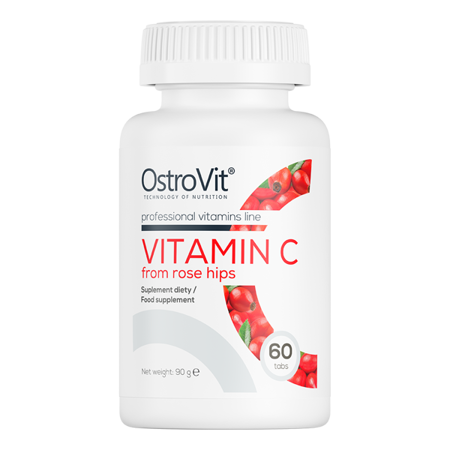
Vitamin C with Rose Hips
Rosehip is one of nature’s richest sources of vitamin C. Vitamin C combined with rosehip also contains bioflavonoids and polyphenols, which can improve the absorption of vitamin C and add to its antioxidant effects. A popular choice among people who prefer more natural supplements.
Form comparison table
| Form | Bioavailability | Gastrointestinal tolerance | Best use | Price |
|---|---|---|---|---|
| Ascorbic acid | Good (70-90%) | May be irritating | General, affordable daily allowance | € |
| Sodium ascorbate | Good (70-90%) | Very good | Sensitive digestive tract | €€ |
| Liposomal | High | Very good | Maximum absorption | €€€ |
| With rosehip | Good+ | Good | Close to nature, with added antioxidants | €€ |
Vitamin C dosage — how much is right?
Vitamin C dosage recommendations vary depending on the source and purpose:
- RDA (Recommended Daily Allowance) — The European Food Safety Authority (EFSA) recommendation for adults is 80 mg per day, which prevents shortage
- Optimal dosage — many nutritionists recommend 200-500 mg per day to support better health and immunity
- During the period of illness — until 1000-2000 mg per day divided into multiple doses, which may help shorten the duration of a cold
- Maximum dose of a food supplement — The EFSA upper safe limit (UL) is 2000 mg per day for adults
Important to know: The absorption of vitamin C decreases as the dose increases. The optimal single dose for the body is approximately 200 mg — at doses higher than this, absorption begins to decrease. Thus, 500-1000 mg at a time is less effective than 200-300 mg 2-3 times a day.
Vitamin C is water-soluble and excess is excreted in the urine, so a toxic overdose is extremely unlikely. However, very high doses (over 2000 mg per day) can cause digestive upset — diarrhea, nausea, and stomach cramps. Long-term excessive consumption can increase the risk of kidney stones. Stick to a reasonable dose (200-1000 mg per day) and divide larger doses into several doses.
Vitamin C and immunity — what does science say?
The relationship between vitamin C and immunity is one of the most researched topics in the world of supplements. What does the research actually show?
- Prevention: regular vitamin C intake (200+ mg per day) does not prevent common cold in the average person. However, it reduces the incidence of illness by up to 50% in people who are under heavy physical exertion (athletes, soldiers, marathon runners)
- Duration of illness: regular consumption reduces the duration of colds in adults on average 8% and children 14%The effect is greater if vitamin C is consumed continuously, not just at the beginning of the illness.
- Severity of symptoms: Vitamin C reduces the severity of disease symptoms and improves overall well-being during illness.
- Immune cells: Vitamin C accumulates inside white blood cells (concentrations are 10-100x higher than in blood), where it supports their ability to destroy pathogens
In conclusion: Vitamin C is not a “miracle cure” that prevents disease, but regular consumption in sufficient quantities supports the normal functioning of the immune system and helps the body heal faster. This is especially important during periods of stress, during intense exercise, and in the fall and winter.
The best vitamin C products — tablets and capsules
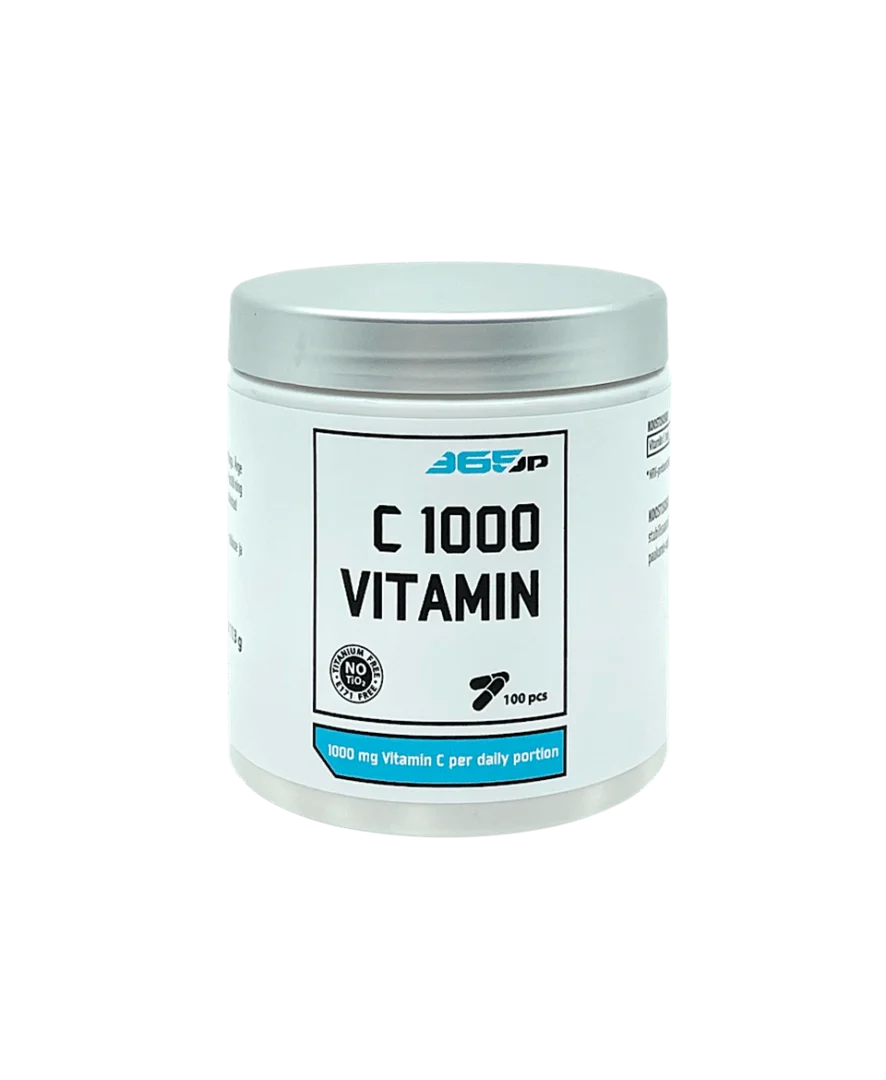
Here are our recommendations for the best vitamin C products. We’ve chosen different forms and price ranges so that everyone can find something suitable:

Vitamin C with rosehip
If you prefer a more natural form, here is a good option:
Frequently asked questions
How much vitamin C should you take per day?
Enough for most people to support health 200-500 mg per day. During the period of illness, the dose can be increased to 1000-2000 mg, dividing the dose into several times. The EFSA upper safe limit is 2000 mg per day. For best absorption, divide the dose into 2-3 times during the day.
When is the best time to take vitamin C?
Vitamin C is better absorbed with food. Since it is a water-soluble vitamin, it can be taken at any time of the day. If you have a sensitive digestive system, avoid taking it on an empty stomach — take it with food or choose a buffered (sodium ascorbate) form.
Does vitamin C help prevent colds?
Regular consumption of vitamin C does not completely prevent colds, but shortens the duration of the disease by 8-14% and reduces the severity of symptoms. The effect is greater when vitamin C is consumed continuously (not only at the beginning of the illness) and in people who are under heavy physical exertion.
Are ascorbic acid and vitamin C the same thing?
Yes, ascorbic acid is the chemical name for vitamin C. Both pure ascorbic acid and its salts (sodium ascorbate, calcium ascorbate), which are less acidic but contain the same vitamin C, are used in dietary supplements.
Is vitamin C powder better than tablets?
The active ingredient (ascorbic acid) is the same — the difference is convenience and dosage flexibility. The powder is the most affordable in terms of price per gram and the dose can be easily adjusted. Tablets and capsules are more convenient to carry and to dose accurately. There is no significant difference in bioavailability.
Do smokers need more vitamin C?
Yes. Smoking significantly reduces the level of vitamin C in the body — each cigarette “uses” about 25 mg of vitamin C. Therefore, EFSA recommends that smokers at least 35 mg more per day than non-smokers. Many experts recommend 200-500 mg for smokers in addition to their regular diet.
Foods rich in vitamin C
In addition to supplements, it’s important to get vitamin C from food. Here are the richest sources:
- Rosehip — up to 1250 mg / 100 g (absolute record holder)
- Bell pepper (red) — 190 mg / 100 g
- Blackcurrant — 180 mg / 100 g
- Parsley — 133 mg / 100 g
- Broccoli — 89 mg / 100 g
- Kiwi — 74 mg / 100 g
- Orange — 53 mg / 100 g
- Lemon — 53 mg / 100 g
- Strawberry — 59 mg / 100 g
Note: Cooking destroys some of the vitamin C (up to 50%), so raw fruits and vegetables are the best source. A supplement is a sensible insurance policy to ensure that your daily needs are met even if your diet remains limited.
Intense exercise causes oxidative stress in the body and increases the need for vitamin C. However, mega-doses (over 1000 mg) immediately after exercise are not recommended — some studies suggest that too high a dose of antioxidants can inhibit the adaptation effect of exercise. Optimal is 200-500 mg per day evenly distributed, not as a single large dose.
Where to buy vitamin C?
The Omegafit store has a wide selection — see the full range in Vitamin C. Popular in-stock options: ICONFIT Vitamin C – non-acidic – 90 capsules and OstroVit Vitamin C. We deliver to Estonia (1–2 business days), Latvia (2–3), Lithuania (2–4) and Finland (3–5); shipping is free over €49. You can also pick your order up in person at OG Gym, Roheline tn 74, Pärnu, Estonia.
Questions? Call +372 5562 2534 or write info@omegafit.ee.
Read other guides as well
- Collagen Guide — Vitamin C is necessary for collagen synthesis — read how
- Zinc Guide — Vitamin C and zinc together strengthen immunity
- Vitamin D Guide — Vitamin D complements the immune-supporting effects of vitamin C
- A guide to B vitamins — Vitamins B and C are both water-soluble and work together