Quick answer: how much vitamin A do I need per day?
EFSA gives an adult vitamin A reference intake of 750 µg RE per day for men and 650 µg RE for women. This refers to total intake, not the amount to take as a supplement. Beta-carotene is converted to vitamin A mainly in the intestine. High doses of retinol or beta-carotene supplements are not automatically safe.
- Plant sources: Beta-carotene is found in carrots and green leafy vegetables, among others. Its conversion to vitamin A occurs mainly in the intestines, and the efficiency of the conversion varies from person to person.
- Pregnancy: Excess preformed vitamin A, or retinol and retinyl esters, may harm the fetus. Do not choose a vitamin A supplement during pregnancy based solely on this guide; discuss the need and composition with your doctor or midwife.
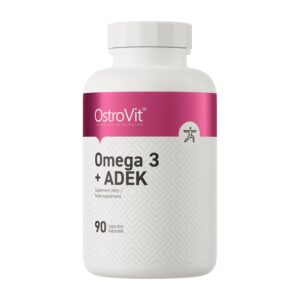
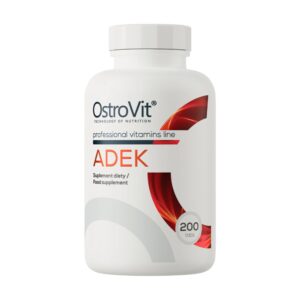
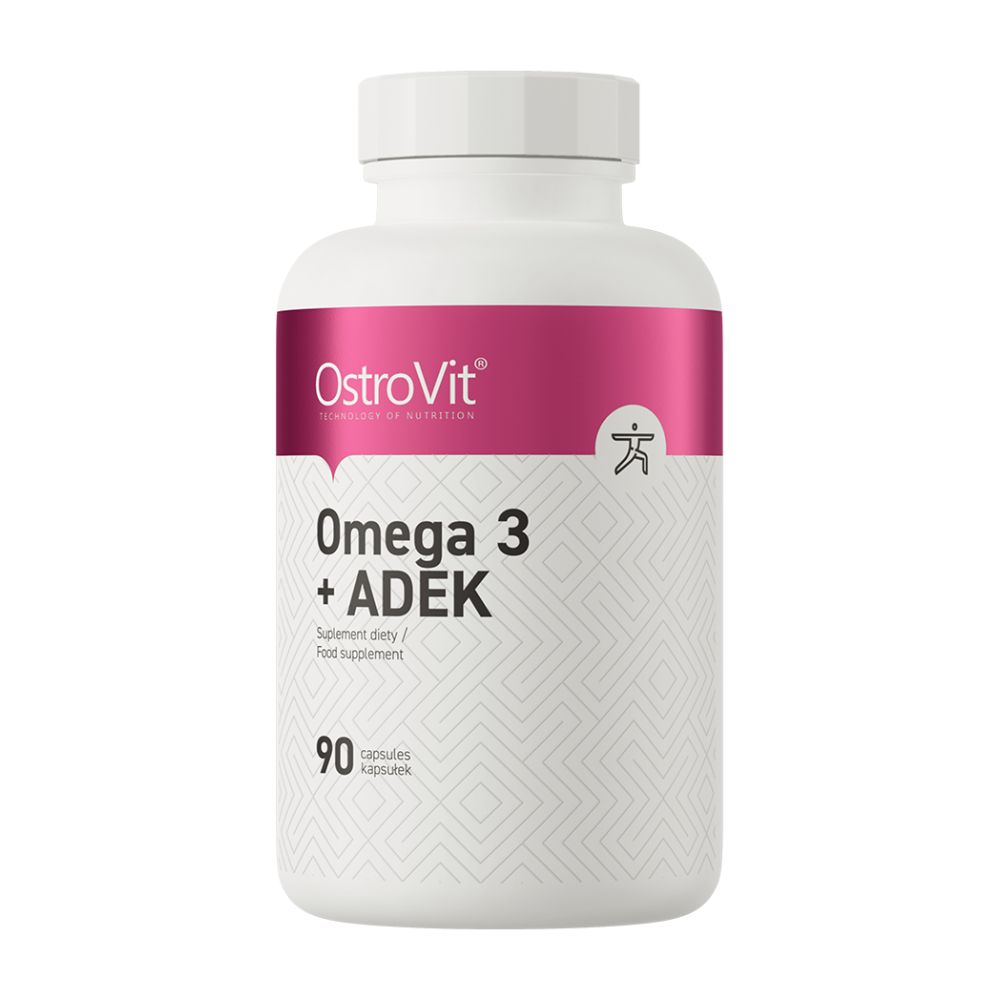
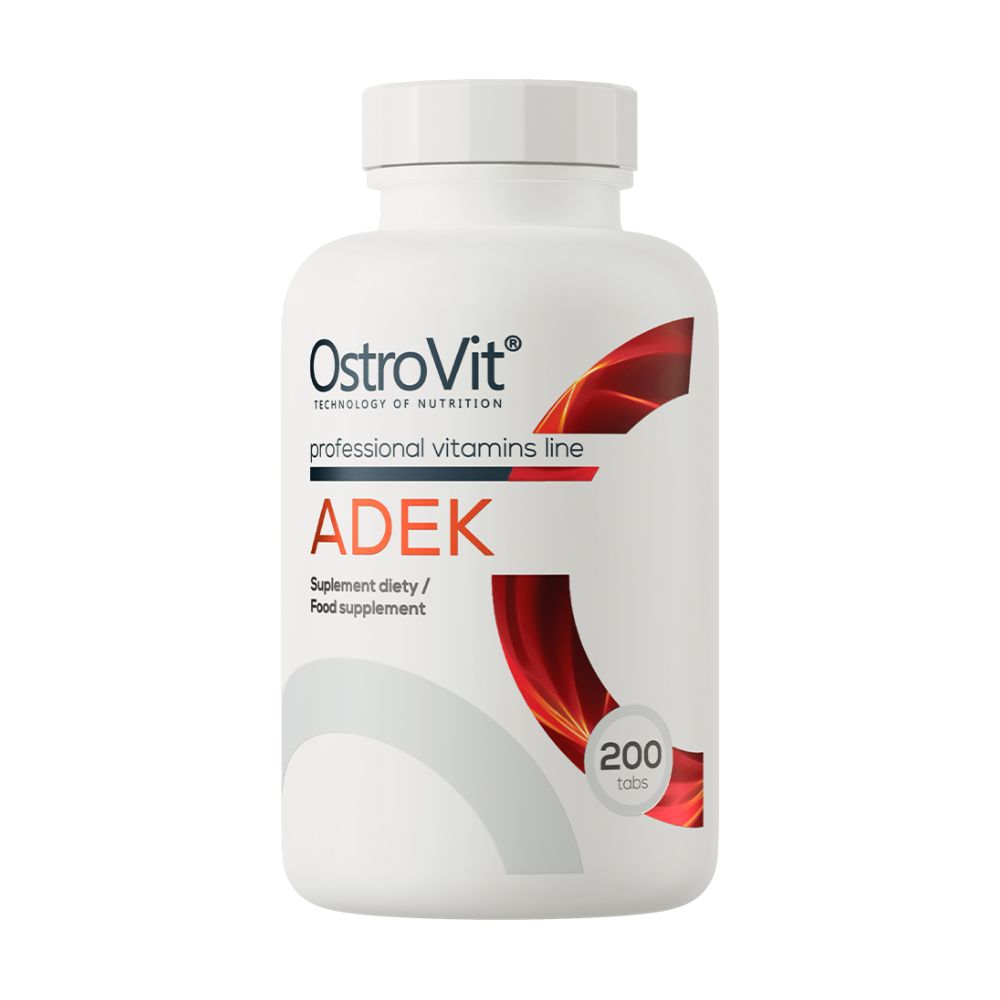
- Best value for money: OstroVit Omega 3 + ADEK – 90 capsules or OstroVit ADEK 200 tablet — see the category.
This is general information, not medical advice — talk to a doctor before starting any supplement, especially during pregnancy.
In stock now: Vitamin A
Vitamin A, or retinol, is one of the most important fat-soluble vitamins , which plays an indispensable role in maintaining vision, supporting healthy skin and strengthening the immune system. Since the body cannot produce vitamin A itself, we must obtain it from food or high-quality supplements. In this guide, we will explain what vitamin A is, how it works in the body, which foods contain it, what the daily requirements are, and how to avoid deficiency and the risk of overdose.
Last updated: September 2026
What is vitamin A and its two forms?
Vitamin A is not a single chemical compound, but a group of fat-soluble substances belonging to the retinoid and carotenoid families. It occurs in food in two main forms:
- Active Vitamin A (retinol and retinyl esters): Found only in animal foods. The body can use it immediately and efficiently.
- Provitamin A carotenoids: Beta-carotene, found in plant foods, is a precursor to vitamin A. The body converts it to vitamin A primarily in the intestines; the liver is an important storehouse of vitamin A.
Main functions of vitamin A in the body
1. An indispensable role for eyes and vision
Vitamin A is needed to produce rhodopsin, a protein that helps the eyes see in the dark and dim light. The first and most well-known sign of vitamin A deficiency is night blindness, or the inability to see in the dark. It also protects the cornea from drying out and damage.
2. Healthy skin and retinol in beauty products
Vitamin A contributes to maintaining normal skin. Topical retinoids and prescription medicines are different from oral supplements. This guide does not justify using a supplement to treat wrinkles or acne.
3. Strengthening the immune system
Vitamin A is often called the "anti-infective vitamin." It supports the integrity of mucous membranes (eyes, lungs, intestines), which are the body's first line of defense against bacteria and viruses. It also helps produce white blood cells.
The best natural sources of vitamin A
Below are examples of food sources of vitamin A. The amount varies with portion size and preparation. Liver can contain a lot of preformed vitamin A. Do not use liver as a way to dose vitamin A every day.
| Foodstuff | Vitamin A form | Comparing the amount of vitamin A |
|---|---|---|
| Beef liver (cooked) | Active retinol | Content may be high; consider portion size and frequency of consumption |
| Cod liver oil | Active retinol | Check the label of a specific product for the amount per serving. |
| Sweet potato | Beta-carotene | Source of beta-carotene; vitamin A equivalent depends on quantity and unit system used |
| Carrot | Beta-carotene | Source of beta-carotene; vitamin A equivalent depends on quantity and unit system used |
| Butter and cheese | Active retinol | Content depends on the specific food and serving size. |
| Egg (yellow) | Active retinol | The content depends on the size of the egg and the amount eaten. |
Daily requirement and dangers (overdose)
EFSA gives adult reference intakes of 750 µg RE per day for men and 650 µg RE for women. The US NIH source uses RAE units and gives 900/700 µg RAE. RE and RAE use different equivalence factors for dietary carotenoids. These values refer to total intake. They are not instructions to take these amounts in supplement form.
Excess preformed vitamin A (retinol and retinyl esters) can be toxic. The adult upper limit of 3000 µg per day applies to preformed vitamin A. The upper limit is not a target dose and does not guarantee safety for every person. No upper limit has been set for beta-carotene, but this does not mean that any amount is safe. High-dose beta-carotene supplements have increased lung cancer risk in smokers and former smokers. Vegetables in the usual diet are different from high-dose supplements.
Recommended products and internal links
The need for a supplement depends on diet and health status. Check the form and amount of vitamin A and include other supplements when assessing total intake. Being sold in a shop does not mean a product is suitable for every person.
See the full range and other vitamins on our vitamins and minerals category page .
Frequently asked questions
What is the difference between retinol and beta-carotene?
Retinol and retinyl esters are preformed vitamin A. Beta-carotene is a precursor found in plants that the body converts to vitamin A. Conversion varies from person to person; this does not result in a universal dietary supplement dose.
What are the signs of vitamin A deficiency?
Vitamin A deficiency can affect your vision in low light and eye health. Difficulty sleeping is not the same as night blindness. If you have vision changes, dry eyes, or other symptoms, you should see a healthcare professional to determine the cause.
Can you overconsume vitamin A from food?
Yes, you can get too much preformed vitamin A from food, for example, by eating liver frequently, and supplements add to your total intake. A regular diet rich in beta-carotene and a high-dose beta-carotene supplement are not the same: the latter has been found to be risky for smokers and former smokers. The upper limit is not the goal of consumption.
Is vitamin A suitable for pregnant women?
Pregnancy: Excess preformed vitamin A, or retinol and retinyl esters, may harm the fetus. Do not choose a vitamin A supplement during pregnancy based solely on this guide; discuss the need and composition with your doctor or midwife.