Quick answer: for whom are supplements actually necessary, not optional?
For most healthy adults eating a varied diet, most supplements are optional — but four situations turn a specific, small set from optional into actively recommended by clinical guidelines: pregnancy and trying to conceive, heavy training, a plant-based diet, and age over 50. Each case has its own short, evidence-backed list, not a long generic stack. What you actually need depends on which of these four applies to you, not on general trends.
- Pregnancy and conception: folic acid, iodine, iron, omega-3 DHA and vitamin D are part of standard prenatal care — start folic acid before you’re even trying to conceive, and during pregnancy use only supplements your doctor or midwife has approved.
- Heavy training: the basics (protein, creatine, vitamin D, magnesium) carry most of the benefit, and most marketed pre-workout blends do little for an adult with no deficiencies — the real effect comes from caffeine and beta-alanine.
- Plant-based diets: B12 is functionally absent from plant foods and long-term deficiency causes irreversible damage, so it isn’t optional for vegans — pick Omega 3 D3+K2 – OstroVit or OstroVit Vitamin D3 + K2 + Calcium 90 tablets for daily use, browse the range here: the category.
This is general information, not personal medical advice — pregnancy, medications and specific health conditions always warrant a doctor’s or dietitian’s confirmation.
In stock now: Dietary supplements
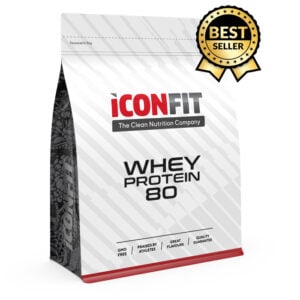
Whey Protein 80 1kg – Whey Protein – Iconfit
Proteins 31,90 € Select options This product has multiple variants. The options may be chosen on the product page 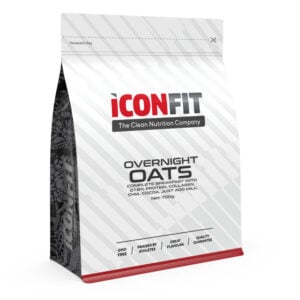
ICONFIT Overnight Oats Porridge (1000g)
Breakfast 11,90 € Select options This product has multiple variants. The options may be chosen on the product page 
Creatine Monohydrate – 300g – OstroVit
Creatine 9,30 € Select options This product has multiple variants. The options may be chosen on the product page
In Part 1 we walked through the seven most-popular supplements — what they do, who they help, and how to choose a quality version. The truth is: for many healthy adults eating a varied diet, most supplements are optional. But for specific life stages and lifestyles, certain supplements move from ”nice to have” to ”actively recommended” by clinical guidelines. This is that map.
We’ll look at four common situations where the right supplements really do make a difference:
- Pregnancy and trying to conceive — folate, iodine, iron, omega-3 DHA, vitamin D
- Athletes and heavy training — beyond the basics of Part 1
- Vegans and vegetarians — what’s essential, what’s optional
- Adults over 50 — what changes biologically and how to support it
A standing reminder: everything below is general information. Pregnancy, medication, and specific health conditions all deserve personalised medical advice. Talk to your doctor or registered dietitian before starting anything new.
1. Pregnancy and trying to conceive
This is the one life stage where major clinical guidelines worldwide are clear and consistent: a small set of supplements is not optional. The evidence is strong enough that adequate intake is part of standard prenatal care everywhere.
What matters most.
- Folic acid (400 mcg/day) — taken before conception and through the first trimester, it significantly reduces the risk of neural tube defects. Because the defect occurs in the first weeks, ideally start before you know you’re pregnant.
- Iodine (150 mcg/day) — essential for the baby’s thyroid and brain development. The Baltic and Nordic regions have iodine-poor soils, and many women of reproductive age fall short even with iodised salt.
- Iron — maternal iron demand roughly doubles in the second and third trimesters. Bisglycinate or fumarate forms are usually better tolerated than sulfate. Test ferritin at the first antenatal visit.
- Omega-3 DHA (~200–300 mg/day) — supports the baby’s developing brain and retina, especially in the third trimester and during breastfeeding.
- Vitamin D (1000–2000 IU/day) — as discussed in Part 1, widespread deficiency in our region; pregnancy is when it matters most.
A clean rule. When pregnant, the safest path is: only supplements your doctor or midwife has agreed to. Avoid vitamin A retinol megadoses, ashwagandha and most adaptogens, high-dose herbal stimulants, and anything marketed as ”detox” or ”cleanse”.
Our picks from the catalogue.
- ICONFIT Folic Acid — Estonian brand, the simple essential.
- Vitamin B12 Methylcobalamin 100 µg – 120 tablets — supports prenatal B-vitamin needs.
- Swanson Albion Ferrochel Iron 18 mg — gentle bisglycinate iron, well-tolerated.
2. Athletes and heavy training
If you train consistently and hard — lifting, intervals, team sports, endurance — your nutritional needs go up, and a small evidence-based stack can support recovery and performance. The basics we already covered in Part 1 (adequate protein, creatine, vitamin D, magnesium) carry most of the weight. Here’s what else has real research behind it.
What earns its place.
- Beta-alanine (3.2–6.4 g/day) — buffers muscle acidosis during efforts lasting 1–4 minutes. Think repeated sprints, high-intensity intervals, hard finishes. Modest but measurable benefit. Split into smaller doses (1–2 g at a time) to manage the harmless tingling sensation (paraesthesia). Saturation takes 4–6 weeks.
- Electrolytes — for longer or hotter sessions, sodium and potassium replacement supports rehydration and helps prevent cramps. Plain water during a long hot effort isn’t always enough.
- Caffeine (3–6 mg/kg, ~30 min pre-training) — the most-studied performance aid alongside creatine. Improves endurance and perceived effort. Above 9 mg/kg the side effects usually overwhelm the benefit.
- EAAs (essential amino acids) — useful in a narrow scenario: fasted training where you want some amino-acid signalling without a full meal. Redundant if your daily protein is already adequate.
A friendly note. Most ”test boosters” and proprietary pre-workout blends marketed at general lifters do very little for non-deficient adults. The actual work in a pre-workout comes from caffeine + beta-alanine + maybe citrulline. The rest is mostly there to fill the scoop.
Our picks from the catalogue.
- ICONFIT Beta-Alanine 300g — Estonian brand, simple and well-priced.
- OstroVit Beta-Alanine 2400 mg — capsule format for those who dislike powders.
- OstroVit EAA 600 g — full essential amino-acid profile for fasted training.
- OstroVit Aqua Kick Electrolyte 300g — rehydration mix for long or hot sessions.
3. Vegans and vegetarians
Plant-forward diets are excellent for most people in most ways — typically high in fibre, antioxidants and unsaturated fats. But a few nutrients are either absent from plants or present in forms the body absorbs poorly. These deserve attention.
What’s essential.
- Vitamin B12 — functionally absent from plant foods. Long-term deficiency causes irreversible neurological problems. This isn’t optional for vegans: 250 mcg/day or 2000 mcg weekly, methyl- or cyanocobalamin both work well.
- Iron — non-heme iron from plants is absorbed at a lower rate than from animal sources. Pair iron-rich plant foods or supplements with vitamin C to multiply absorption. Test ferritin if you feel persistent tiredness.
- Vitamin D3 — look for ”D3 from lichen” (vegan-suitable). D2 is less effective at raising blood levels.
- Omega-3 (EPA + DHA from algae) — the only direct plant source. ALA from flax/chia/walnut converts at very low rates.
- Zinc — phytates in grains and legumes reduce absorption. Supplemental 10–25 mg works when intake is borderline. Don’t megadose — chronic high zinc causes copper deficiency.
A nice bonus. Vegans tend to have lower baseline creatine stores, so creatine supplementation often produces a slightly larger relative effect — both for strength and for the emerging cognitive benefits being studied in vegetarian populations.
Our picks from the catalogue.
- Vitamin B12 Methylcobalamin 100 µg – 120 tablets — the daily essential.
- ICONFIT Ferrum 90 capsules — iron with vitamin C-friendly formulation.
- OstroVit Zinc Picolinate 150 tablets — well-absorbed zinc form.
4. Adults over 50
Two things happen biologically as we age: absorption gets less efficient for several nutrients, and certain functions — muscle protein synthesis, bone turnover, cognitive sharpness — take a bit more deliberate input to maintain. The encouraging news: a small, focused stack does a lot of the work.
What makes a real difference.
- Vitamin D + K2 — skin synthesis drops with age, and adequate D supports bone density, mood, and muscle function. K2 helps direct calcium to bones rather than soft tissues.
- Vitamin B12 — atrophic gastritis is common after 60, reducing B12 absorption from food. A daily 250–1000 mcg supplement bypasses the problem.
- Protein and creatine — older muscle is ”anabolically resistant” and needs slightly more protein per meal (and more leucine). Whey isolate is a leucine-dense, easy-to-digest option for smaller appetites. Creatine 3–5 g/day shows growing evidence for preserving muscle and possibly supporting cognition.
- Omega-3 — cardiovascular and cognitive support become more relevant with age. EPA + DHA combined matters more than total fish oil milligrams.
- CoQ10 — especially relevant if you take a statin (which reduces the body’s CoQ10 production). 100–200 mg/day is the typical dose.
- Collagen — modest evidence for skin hydration, elasticity, and joint comfort in active older adults. 10–15 g hydrolysed collagen daily for at least 8 weeks.
A practical rule. Get a basic blood panel once a year — vitamin D, ferritin, B12, TSH, full blood count, lipids, HbA1c. €40–80 worth of testing answers most supplement questions you’d otherwise have to guess at.
Our picks from the catalogue.
- OstroVit Ubichinon Q10 100mg 120 capsules — 100 mg of ubiquinone per capsule.
- Vitamin B12 Methylcobalamin 100 µg – 120 tablets — for absorption-related shortfall after 60.
- ICONFIT Hydrolysed Collagen 300 g — Estonian brand, daily skin and joint support.
- Marine Collagen + Hyaluronic Acid 200g — OstroVit — premium marine source with hyaluronic acid.
Frequently Asked Questions
Which supplements are essential for vegans and vegetarians?
Vitamin B12 is functionally absent from unfortified plant foods, making supplementation essential for vegans to protect the nervous system. Vegans should also monitor vitamin D3, algal omega-3 (DHA/EPA), zinc, and iron levels.
Do adults over 50 require different supplements?
Yes. With age, stomach acid production declines, reducing the absorption of dietary vitamin B12 and key minerals. Bone density also requires greater support from vitamin D3, K2, and calcium, while collagen and glucosamine help support joint cartilage.
Can standard multivitamins and sports supplements be taken during pregnancy?
No, high-dose sports supplements and regular multivitamins should be avoided during pregnancy, particularly due to excess vitamin A (retinol), which can harm fetal development. Expecting mothers should use dedicated prenatal formulas with folic acid/folate and consult their healthcare provider.
Which supplements best support athletes with heavy training loads and joint wear?
Under heavy training stress, athletes benefit greatly from joint and connective tissue support alongside protein and creatine. Targeted choices include OstroVit Marine Collagen + Hyaluronic Acid + Vitamin C 90 tablets and Glucosamine + MSM + Chondroitin – 90 tablets – OstroVit — explore the all dietary supplements.
Coming up in Part 3
You now have the picture for the most common situations where supplementation really earns its place. In the final article we put together the practical buying framework:
- The third-party certifications worth looking for (USP, NSF, Informed Sport, IFOS)
- The active ingredient forms that actually matter — and the cheap ones that don’t
- Drug interactions worth knowing if you take prescription medication
- A simple food-first → test → supplement decision tree
- The label red flags that should make you put the bottle back
By the end you’ll be able to walk past 80% of the supplement shelf with confidence — and spend the rest of your money on the small, evidence-backed picks that really do make a difference.
This guide is for general wellness information and is not a substitute for personalised medical advice. If you’re pregnant, breastfeeding, taking prescription medication, or managing a specific health condition, please talk to your doctor or registered dietitian before starting any new supplement.