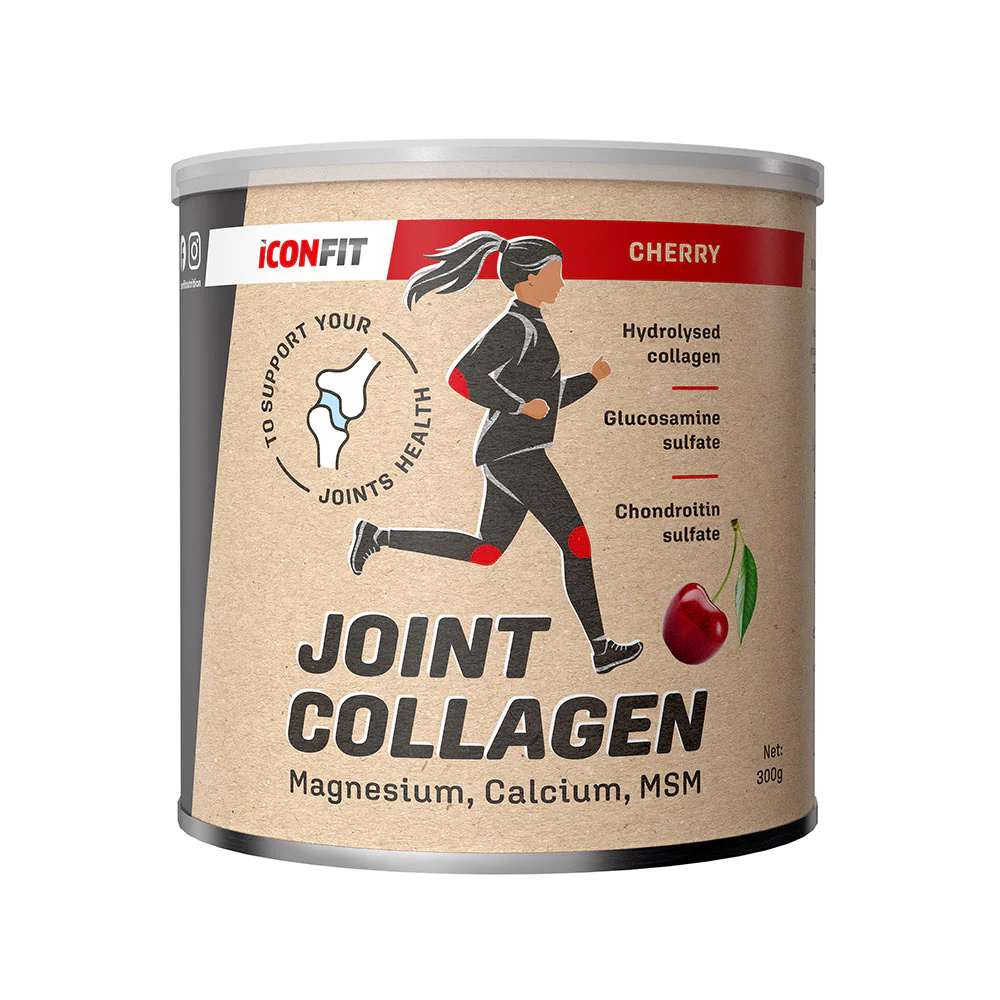
Short answer: which collagen to choose?
For skin and general connective tissue support, choose hydrolyzed collagen types I/III (peptides) ; for joints, type II is often mentioned. Marine collagen and bovine collagen are the main sources — hydrolysis (absorption) and consistency are more important than the marketing word “premium.” Vitamin C supports collagen synthesis in food/supplement.
- Skin/Hair/Nails: I/III hydrolyzed (powder or capsules).
- Joints: Hydrolyzed collagen; some prefer type II specifically.
- Dosage: Often 5–15 g of peptides per day (product instructions).
Selection: collagen powders, capsules and marine collagen in the Omegafit store. Informative guide, not treatment.
In stock now: Collagen
ICONFIT WHEY+ Collagen • Premium Protein •
Collagen 30,90 € Select options This product has multiple variants. The options may be chosen on the product page
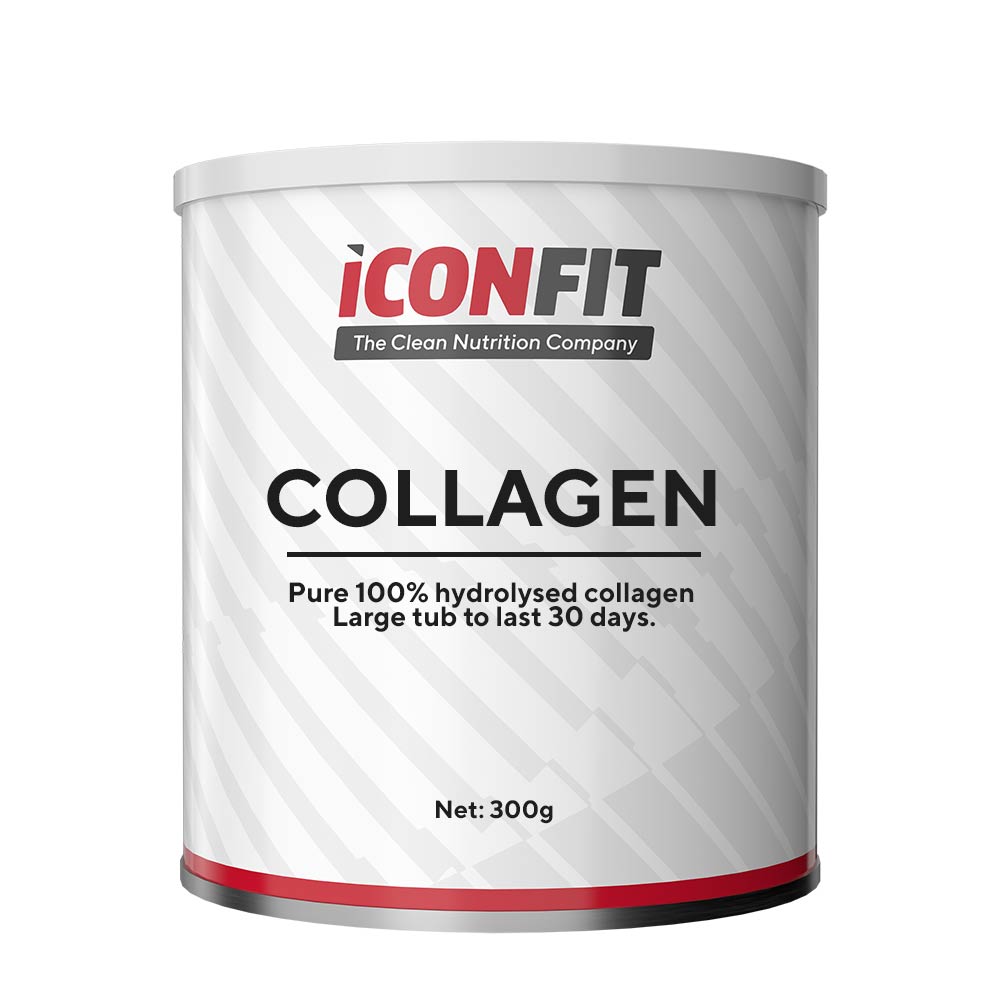
ICONFIT Hydrolyzed Collagen (300g)
Collagen 10,90 € Select options This product has multiple variants. The options may be chosen on the product page
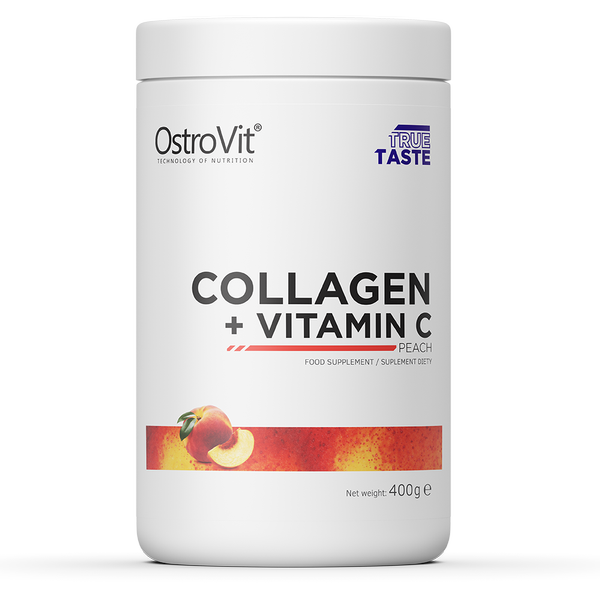
Collagen + Vitamin C – 400g – OstroVit
Collagen 17,50 € Select options This product has multiple variants. The options may be chosen on the product page
Collagen is the most abundant protein in the body — it makes up up to 30% of the body’s total protein content and is the main building block of skin, joints, tendons, bones and connective tissue. From the age of 25, the body’s own collagen production gradually begins to decrease, which is manifested in wrinkles, joint stiffness and slower recovery. In this guide, we explain what collagen is, what types there are, how to choose the right product and why vitamin C is essential alongside collagen.
Last updated: September 2026
What is collagen and why is it important?
Collagen is a structural protein that acts as a reinforcing framework in the body. It is found almost everywhere: in skin, bones, cartilage, tendons, blood vessels, teeth, and even the cornea of the eye. Collagen gives tissues elasticity, strength, and durability.
The body produces collagen itself using amino acids (mainly glycine, proline and hydroxyproline) along with vitamin C, zinc and copper. The problem is that this production slows down significantly with age:
- From the age of 25 — collagen production begins to decrease by about 1–1.5% per year
- By the age of 40 — the body already produces significantly less collagen, the skin begins to lose elasticity
- By the age of 60 — collagen production has decreased by over 50%, joints are stiffer, skin is thinner
In addition to age, collagen breakdown is accelerated by UV radiation, smoking, excessive sugar consumption, and chronic stress. This is why collagen as a dietary supplement has become one of the most popular supporting products among athletes, beauty-conscious people, and people with joint problems.
Collagen types: I, II, and III
There are at least 28 different types of collagen found in the body, but three main ones make up the majority:
Type I collagen
The most common type — makes up ~90% of the body’s collagen. Found in skin, bones, tendons, connective tissue, and teeth. Supports skin elasticity and strength, reduces wrinkles, and contributes to bone and tooth health. The best choice for skin, hair and nails.
Type II collagen
A major component of cartilage. Found in joint cartilage and spinal discs. Supports joint health and helps relieve joint pain and stiffness. The best choice for joint health and joint pain relief.
Type III collagen
The second most common type. Found in the skin, blood vessels, internal organs, and muscle tissue. Often occurs with type I collagen and supports skin structure and vascular elasticity. Important for skin and cardiovascular health.
Most supplements contain Collagen types I and III, which covers the needs of skin, bones, hair and general connective tissue. If your main concern is joints, look for a product that also contains Type II collagenHydrolyzed collagen (peptides) usually contains types I and III and is suitable for universal use.
Collagen forms: hydrolyzed, powder, capsules, and liquid
Collagen supplements come in several forms. Here are the differences:
Hydrolyzed collagen (collagen peptides)
The most popular and scientifically most studied form. During the hydrolysis process, large collagen molecules are broken down into small peptides (2000–5000 daltons), which are absorbed from the digestive tract significantly better than regular collagen. Studies show that the bioavailability of hydrolyzed collagen is up to 90%, compared to ~27% for regular collagen.
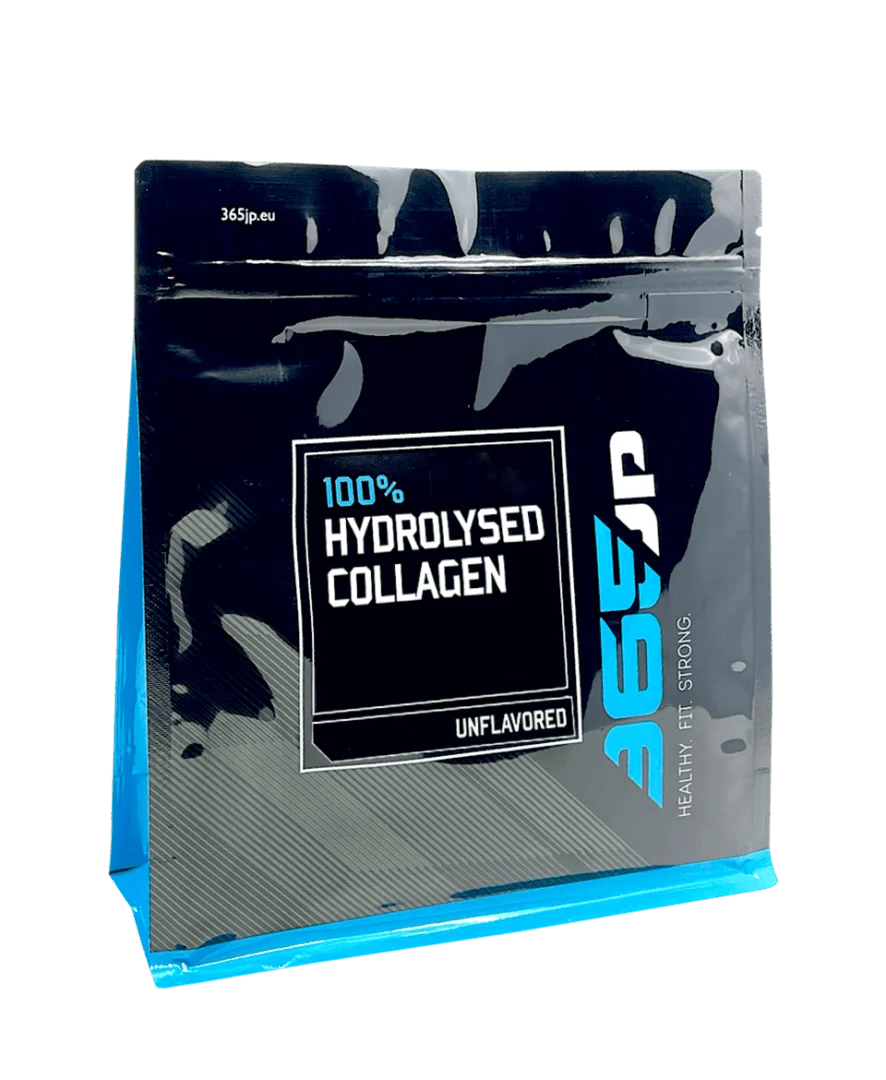
Hydrolyzed collagen dissolves well in both hot and cold liquids, is tasteless (unflavored) and is easy to add to your morning coffee, smoothie, or yogurt.
Powder vs. Capsules
Powder is the most common form. Pros: higher dose per serving (usually 10–13 g), diverse flavors, flexible dosing, cheaper per gram. Cons: requires mixing with liquid.
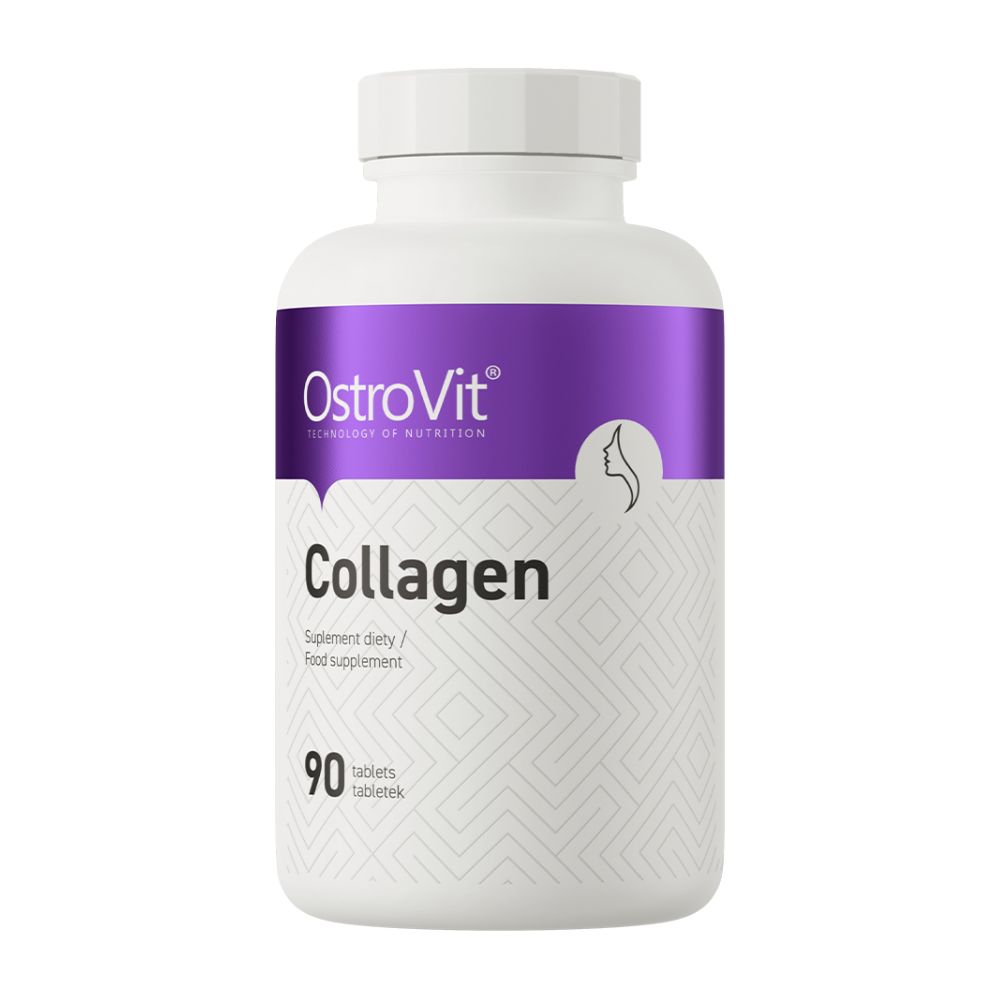
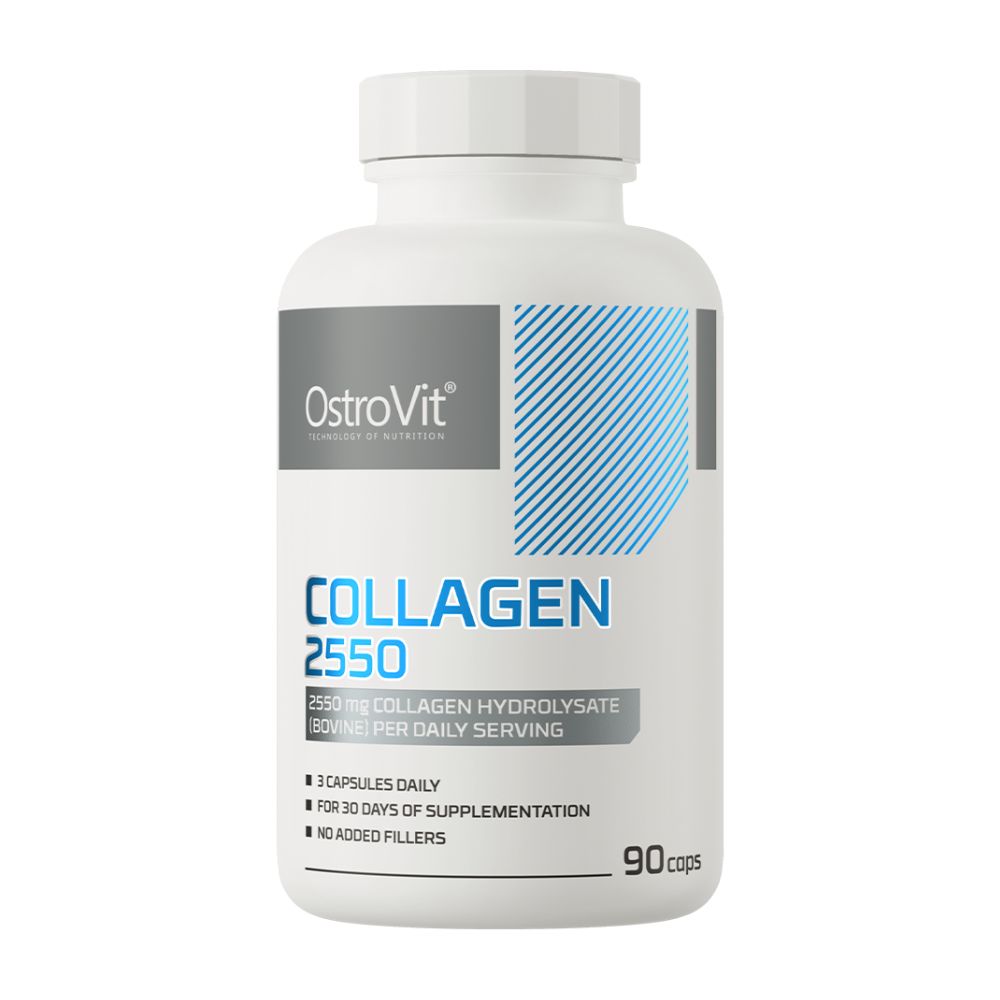
Capsules are more convenient — you can take them with you, swallow them without mixing. Cons: the collagen in one capsule is small (500–850 mg), so you have to take 4–6 capsules a day to get a sufficient dose. More expensive per gram than powder.
Liquid collagen — ready-to-drink. Convenient, but the most expensive option per gram. Suitable for those who don’t want to mix anything or swallow a capsule.
Marine Collagen vs Bovine Collagen
There are mainly two sources used as raw materials for collagen supplements:
Bovine collagen
Derived from bovine skin and bones. Contains mainly Collagen types I and III. The most common and affordable option. Great for supporting skin, bones, hair, and nails. Most hydrolyzed collagen powders are bovine-based.
Marine collagen
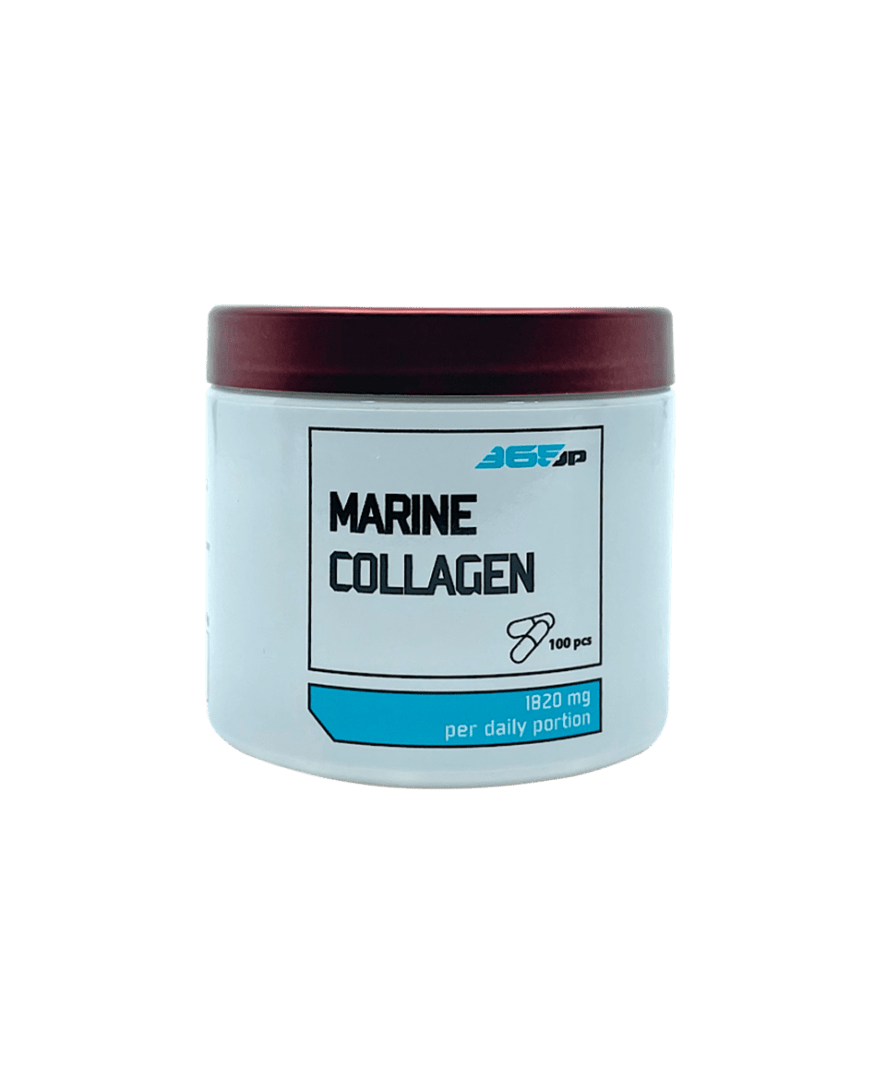
Derived from fish skin and scales. Mainly contains Type I collagen. Marine collagen has a lower molecular weight, which means it is potentially better absorbed. A popular choice for skin and beauty care purposes. More expensive than bovine collagen, but considered a product with higher bioavailability.
Which one to choose? For universal use (skin + bones + joints), bovine collagen is perfect and is also more budget-friendly. If you are mainly focused on skin health and prefer a fish-based product, marine collagen is a good choice.
Dosage: How much collagen should you take per day?
Research studies have used different dosages, but the following recommendations generally apply:
- Skin health — 2.5–10 g per day. As little as 2.5 g of hydrolyzed collagen per day has been shown in studies to improve skin elasticity and moisture levels within 8 weeks
- Joint health — 10–15 g per day. Higher doses are needed to relieve joint pain and stiffness
- Bone health — 5–12 g per day with adequate calcium and vitamin D
- Athletes and recovery — 15–20 g per day, especially to maintain tendon and connective tissue health during intense exercise
When to take? Collagen can be taken at any time, but some prefer to take it in the morning on an empty stomach for better absorption. Trainers often take it 30-60 minutes before training to support tendon and connective tissue loading. The most important thing is consistency — you will see results after 4-12 weeks of consistent use.
Collagen and vitamin C: why better together?
Vitamin C is essential for collagen synthesis — without it, the body cannot properly form collagen. This is not just a marketing supplement, but a biochemical necessity:
- Vitamin C is a cofactor — it activates enzymes (prolyl hydroxylase and lysyl hydroxylase) that stabilize the triple helix structure of collagen
- Without vitamin C defective collagen is produced, which is weak and breaks down quickly — an extreme example is scurvy
- Antioxidant protection — Vitamin C protects existing collagen from the destructive effects of free radicals
That’s why many collagen supplements already contain vitamin C (such as OstroVit Collagen + Vitamin C). If your product doesn’t contain vitamin C, consume it separately — at least 80–100 mg per day along with your collagen supplement.
Mix collagen powder in a glass of water with a little lemon juice and honey — you get a delicious drink that also contains natural vitamin C. Or choose a product with vitamin C already added, such as OstroVit Collagen + Vitamin C.
The best collagen powders
Powder is the most popular and affordable way to consume collagen. Here are our recommendations:

The best collagen capsules and tablets
Capsules and tablets are a convenient alternative for those who don’t want to mix powder. The dosage is smaller, but the convenience makes up for it:
Who is collagen suitable for?
Collagen supplements are worth considering for a wide variety of people:
- 25+ years old — the body’s own collagen production begins to decrease, the supplement helps compensate for this
- Athletes and those who exercise actively — intense training puts strain on tendons and ligaments, collagen supports connective tissue regeneration and injury prevention
- People with joint problems — collagen helps relieve joint pain and stiffness, especially in combination with glucosamine
- Skin, hair and nail care products — regular collagen consumption improves skin elasticity, reduces the depth of wrinkles and strengthens hair and nails
- Those recovering from injury — after fractures, tendon and ligament ruptures, collagen helps accelerate tissue healing
Frequently asked questions
Do collagen supplements actually work?
Yes — several clinical studies confirm that regular consumption of hydrolyzed collagen (2.5–15 g per day) improves skin elasticity, reduces wrinkle depth, and relieves joint pain. Results are usually seen after 4–12 weeks of consistent use.
Is collagen suitable for vegetarians?
Traditional collagen is always of animal origin (beef, fish, chicken). There is no specific plant-based collagen suitable for vegetarians, but there are so-called ”collagen booster” products that contain vitamin C, zinc, and amino acids that support the body’s own collagen production.
Does collagen have side effects?
Collagen is generally very well tolerated. In rare cases, mild flatulence may occur (especially with higher doses). People with allergies to fish products should be careful with fish collagen. Start with a lower dose and increase gradually.
Does collagen help with joint pain?
Studies show that 10–15 g of hydrolyzed collagen per day can relieve joint pain and stiffness, especially in osteoarthritis. For best results, combine collagen with glucosamine and chondroitin and consume regularly for at least 3 months.
How long does it take to see results?
For skin: first changes after 4-8 weeks. For joints: after 8-12 weeks. For hair and nails: after 12-16 weeks (hair and nails have a longer growth cycle). Consistency is key — one-time use will not produce results.
Where to buy collagen?
The Omegafit store has a wide selection — see the full range in Collagen. Popular in-stock options: ICONFIT WHEY+ Collagen • Premium Protein • and ICONFIT Hydrolyzed Collagen (300g). We deliver to Estonia (1–2 business days), Latvia (2–3), Lithuania (2–4) and Finland (3–5); shipping is free over €49. You can also pick your order up in person at OG Gym, Roheline tn 74, Pärnu, Estonia.
Questions? Call +372 5562 2534 or write info@omegafit.ee.
Read other guides as well
- Vitamin C Guide — Vitamin C is essential for collagen synthesis — read why
- Omega-3 Guide — Omega-3 reduces joint inflammation and supplements collagen production
- Vitamin D Guide — Vitamin D supports bone health together with collagen
- Zinc Guide — Zinc supports skin health and wound healing